
Manifesto by a Sensitive Editor
I designed a course and syllabus in 2017, Creative Writing by Creatives, that I had the privilege of teaching as a grad student at Indiana University. Still miss my students. We had a lot of fun.
Alex
Annette
Emily
Emma
Kaitlyn
Katie L.
Katie P.
Laura
Lucas
Paul
Rahee
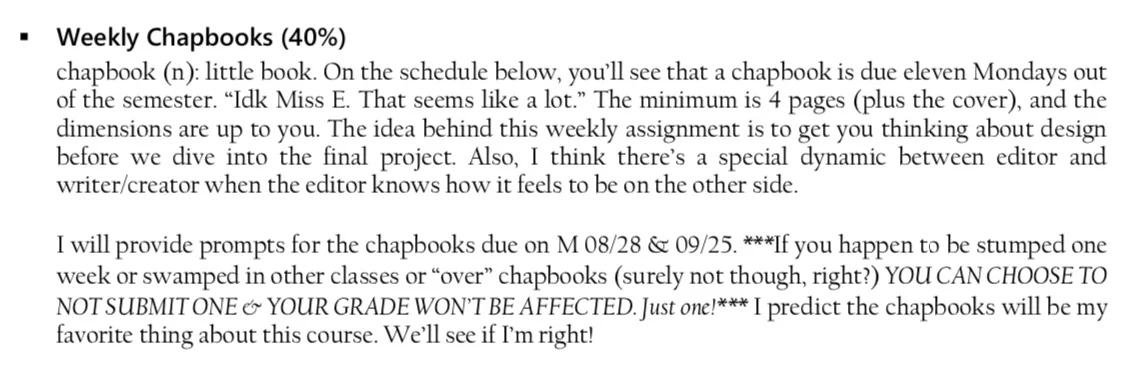
The best part, according to me at least, was the weekly chapbooks.
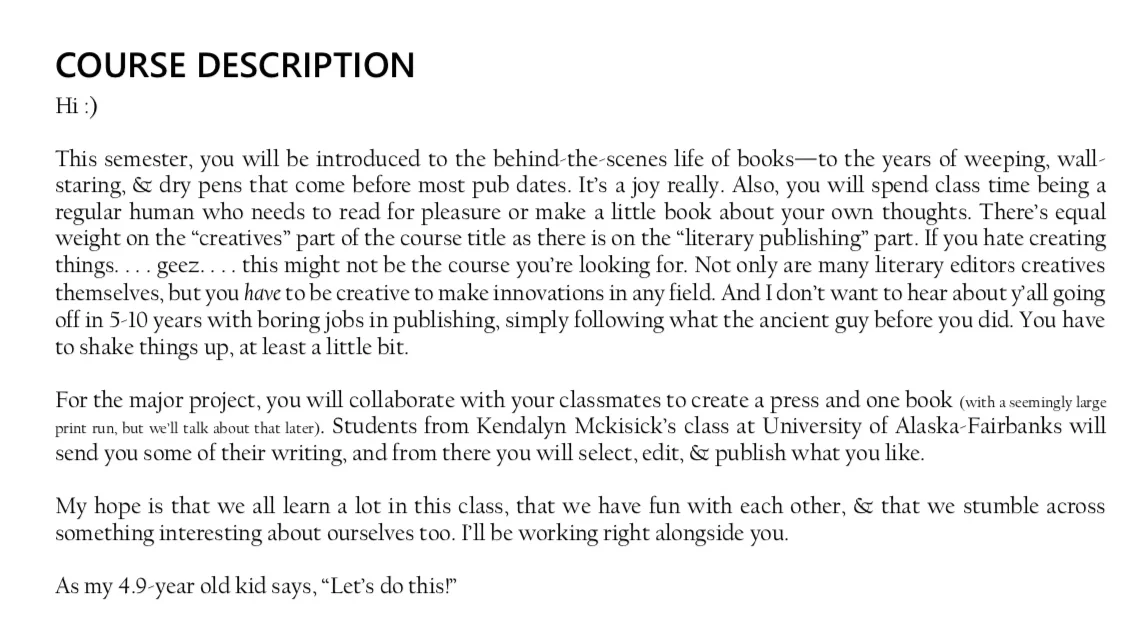
. . . fast-forward through syllabus . . .
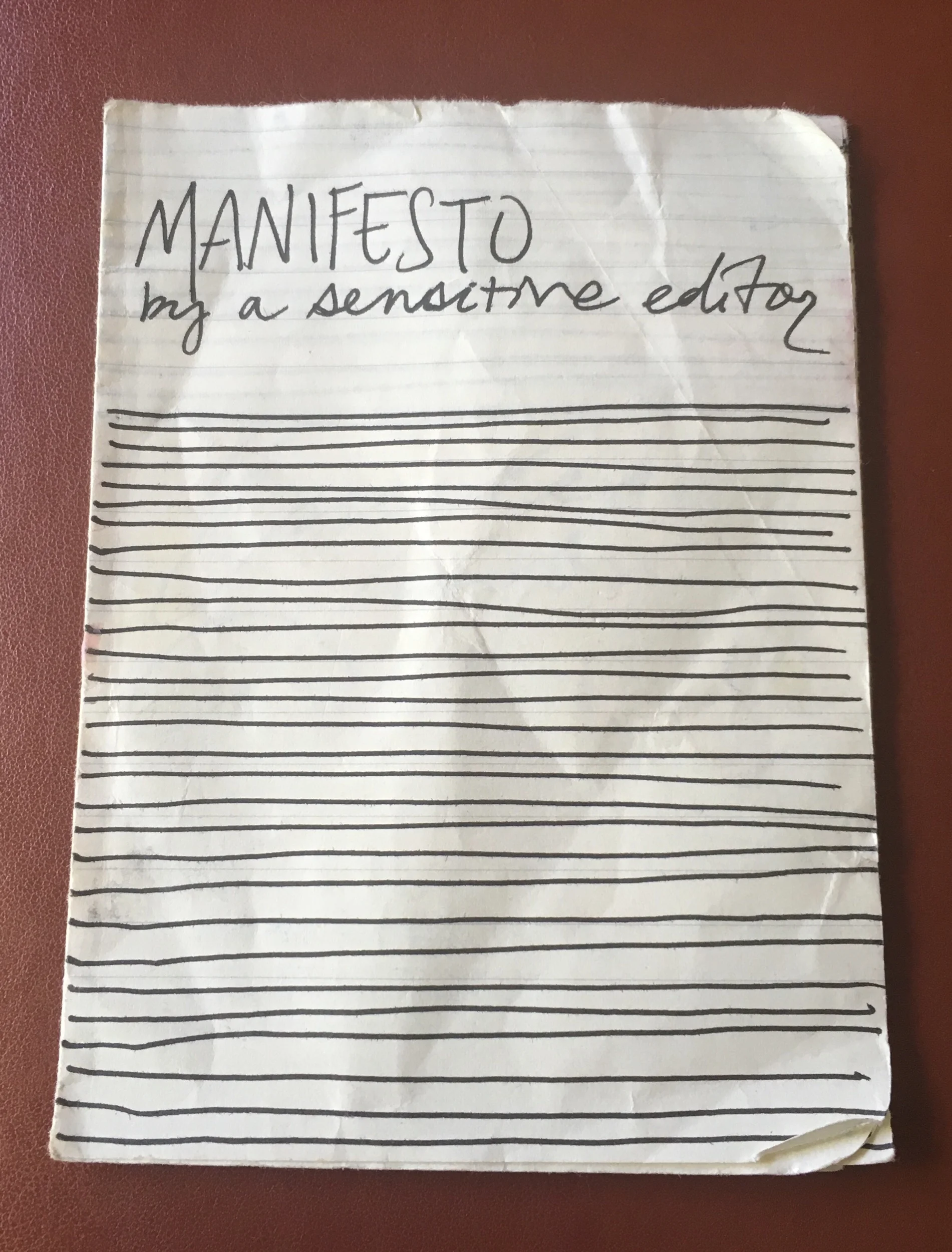
And I made those chapbooks right alongside them. Everyone’s first had to be a manifesto meant to direct their work as editors. Here’s mine:
As a writer, I say, “I want to write the shit that would’ve made me cry yesterday”—meaning I want it to speak to a release and comfort I’ve had to find on my own. I want it to be there for the next young, Black mother who needs it.
As an editor, I want to publish the shit that made the writer cry yesterday, the release and comfort they had to create on their own.
I’m not here to fix their manuscripts, but I am here to push it toward clarity and resonance.
If the writer is Black, Southern, “lower-class,” and imaginative, I will be devoted to their work as if it is my own.
Find that writer, Essence, who’s your literary soulmate. Love them and their work so viscerally that people will write books about it that make them cry—every day.
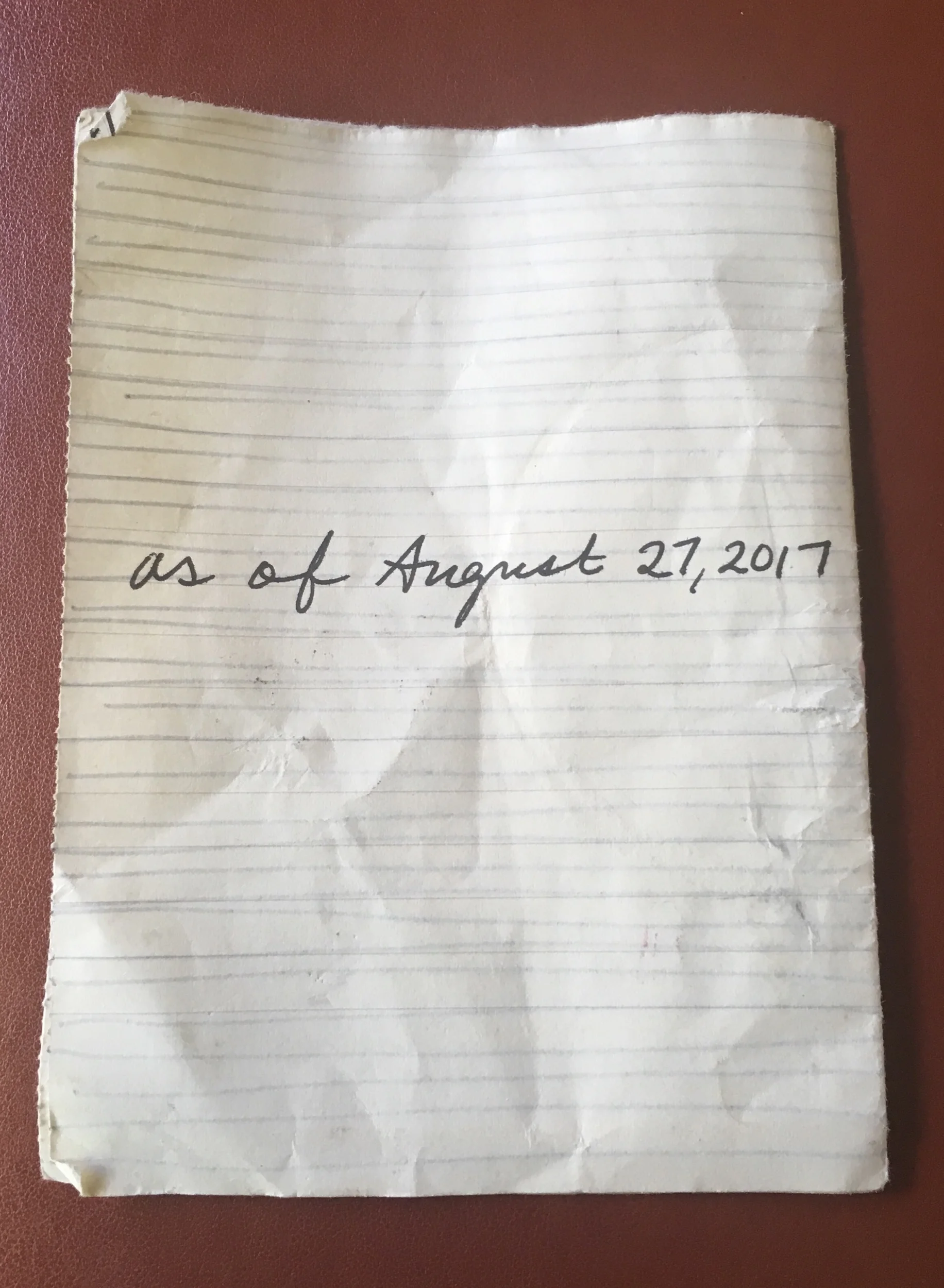
The students got all of their chapbooks back at the end of the semester but of my favorites I remember there being one made totally of crochet pages. One was a tiny square cut from a yellow spiral notebook and inside the writer spiraled about why they were really in college. Red lipstick kissed onto cardboard-brown stock paper. Amazing artists in that class, I tell ya. . . . Now that it’s been a couple years, I wonder if they sit down and flip through their chapbooks, if they’ve felt the need to update their manifestos at all.
Mine may need some tweaking around the area of “I want to publish the shit that made the writer cry yesterday,” because what is of this sorrow? Why does it it need to be embedded in others’ work too for me to connect? I want to be able to hold a text that’s rooted in tenderness or laughter or curiosity. One of these days, I’d like to be able to also hold a darker, heavier emotion: anger. Revelations in each of those states could lead to tears, though, so I may be talking myself into keeping that line. . . . However, I am sure it isn’t necessary the writer created “release and comfort” on their own. Though I haven’t quite figured it out for myself, community—not the flimsy kind assumed by folks simply in proximity but real support, real love and exchange—is important. And beautiful. I respect a writer who brings their people to the page.
My literary soulmate (I honestly still want that, I won’t lie) shouldn’t be a mirror image of me. How would either of us grow?
*
Send me work if you’re reading. I’m designing a chapbook series with Ross Gay and Curtis Bauer for Q Avenue Press. It’s early early but let’s see what we can make together.